Internal Weaknesses of the Tokugawa Shogunate
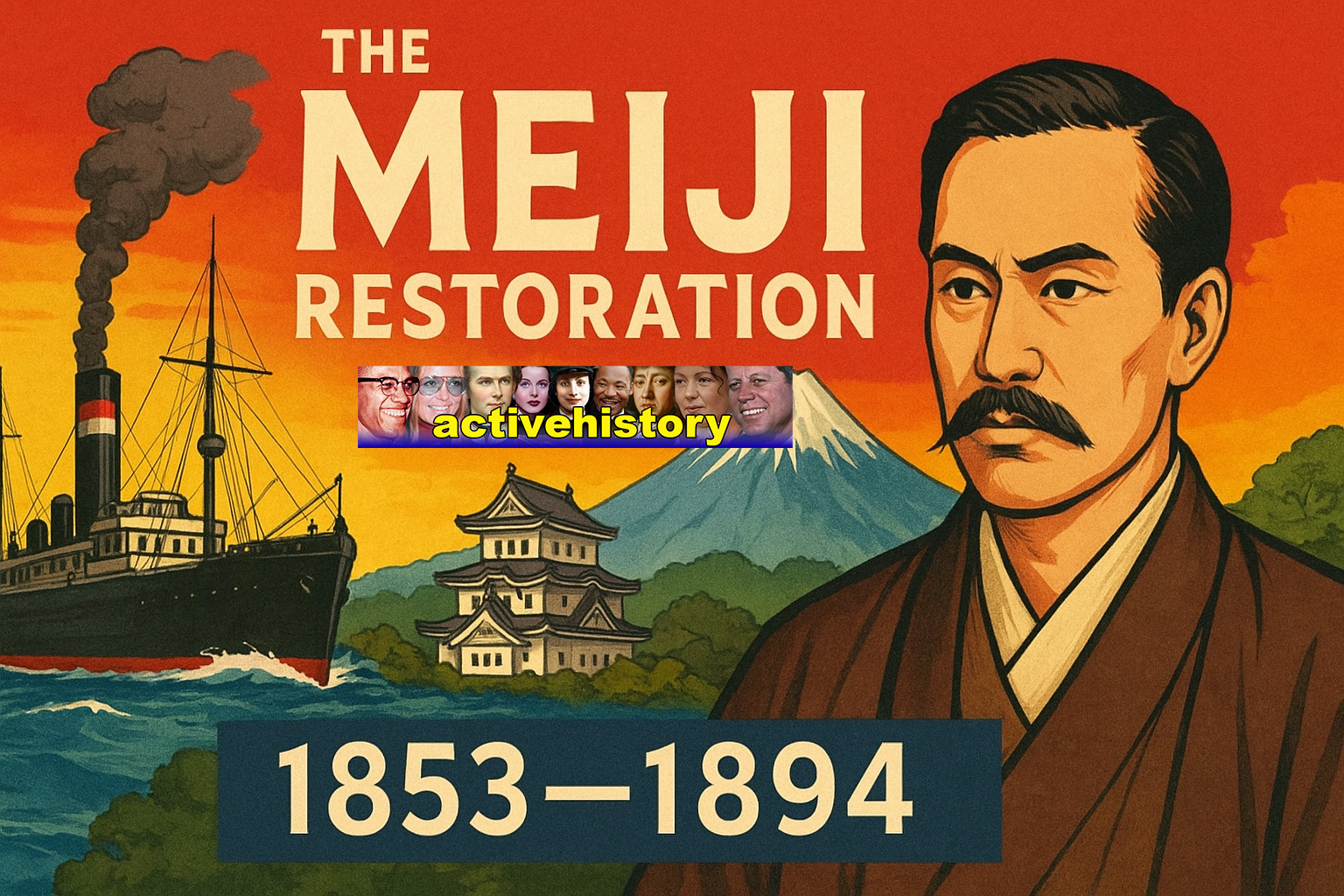
For many centuries, Japan was governed through the Baku-Han system, which balanced power between a central military government (Bakufu) led by the Shogun, and the regional, largely autonomous domains (Han) ruled by the daimyo (feudal lords) and their Samurai warriors. Although the Emperor was regarded as the spiritual heart of the nation, his authority was largely ceremonial; real power lay with the shogun. The last of these regimes was the Tokugawa Shogunate (named after the family that established it), which implemented conservative policies reflecting traditional Confucian values. The Shogunate also enforced an isolationist policy known as Sakoku, making it unlawful for Europeans to trade in Japan, except for the Dutch at one small outpost in Nagasaki. This highly centralized yet semi-feudal order endured for over two centuries, but its eventual collapse in 1868 ushered in the transformative energies of the Meiji era, setting the stage for one of the most dramatic political and social overhauls in Japanese history.
Part of the full scheme of work on the Meiji Restoration