Active History: Games for Kids

The Triangular Slave Trade


A.

Causes and Conditions of the Slave Trade

1. Unit Starter: PowerPoint [click here for a downloadable version]
Students are presented with a series of images of objects, then of people from different continents, and have to deduce from this evidence what the next topic of study is likely to be. Teachers should focus on the current day relevance of the topic in the final slides, which refer to such figures as Gandhi and Martin Luther King Jr.
2. Origins of the British Empire
Students have to copy and paste key details into the appropriate cells of a table which outlines who, why, where and how the British Empire developed. A good way of providing an overview of the growth of the British Empire.
3. The Growth and Shame of the British Empire: The Triangular Slave Trade
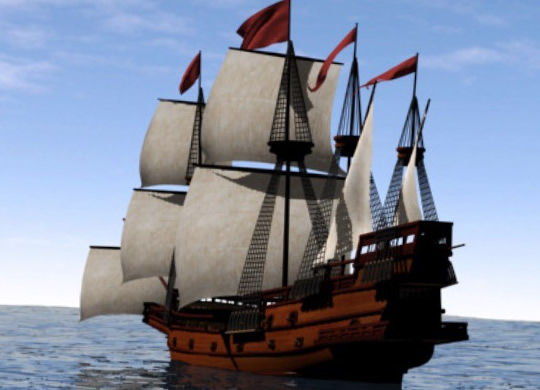
The Trade Triangle is explained and then students produce a "living graph" of the terrible conditions on board the slave ships using www.classtools.net.
4. The Art of JMW Turner: PowerPoint Starter [click here for a downloadable version]
This powerpoint presentation encourages students to analyse two of Turner's greatest paintings: The Slave Ship and The Fighting Temeraire. Each painting is a great comment on the British Empire and its Slave Trade. A good cross-curricular link with art.
5. Social Conditions - The Transatlantic Slave Trade [interactive]
The Middle Passage
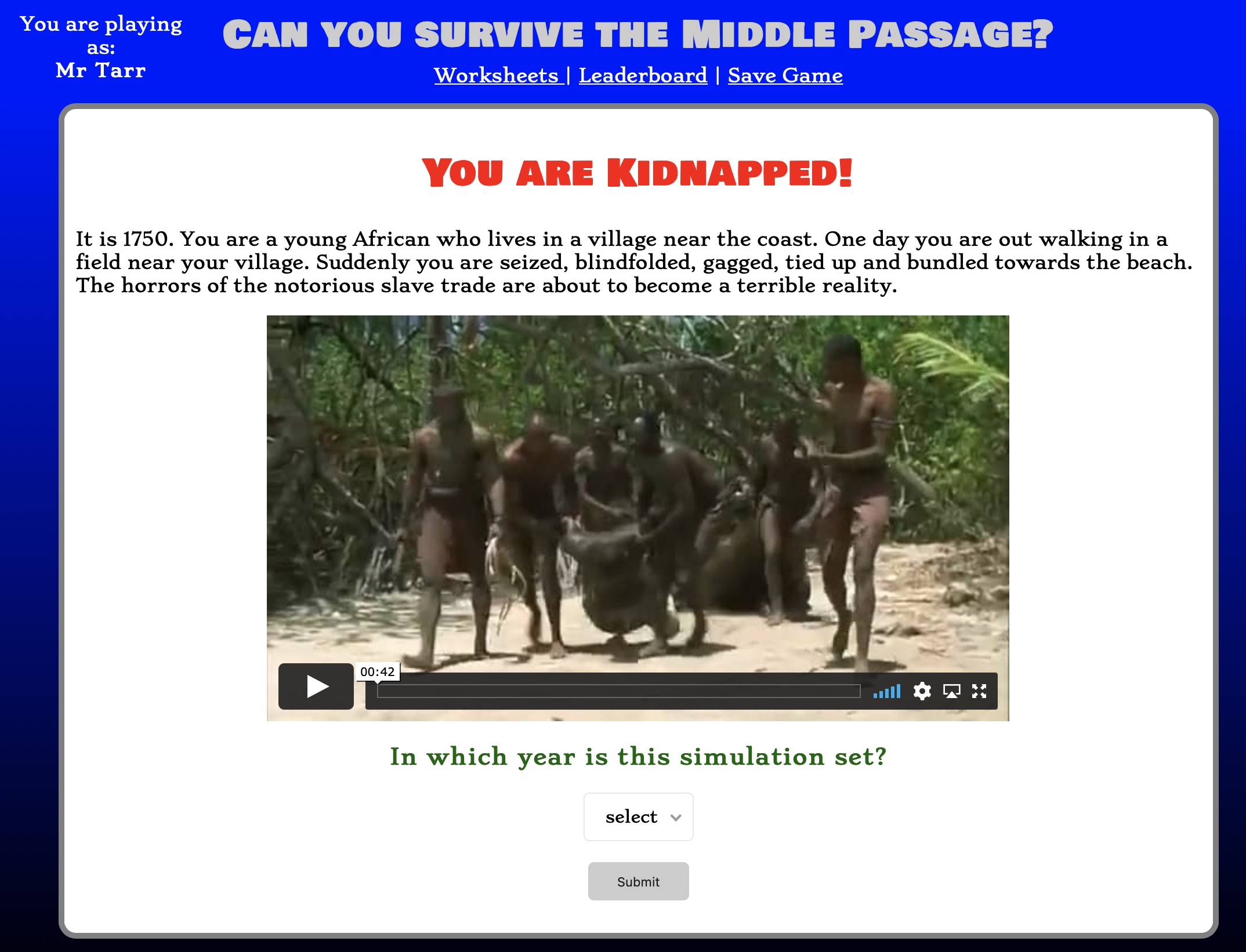
Take on the role of a kidnapped young African and see how well you can maintain your strength in the harrowing "Middle Passage" across the Atlantic in this decision-making activity. Complete with five different lesson plans.
Coalbrookdale Interactive Census: Expansion, Trade and Industry Game
6. Runaway Slave Advertisements: PowerPoint Starter [click here for a downloadable version]
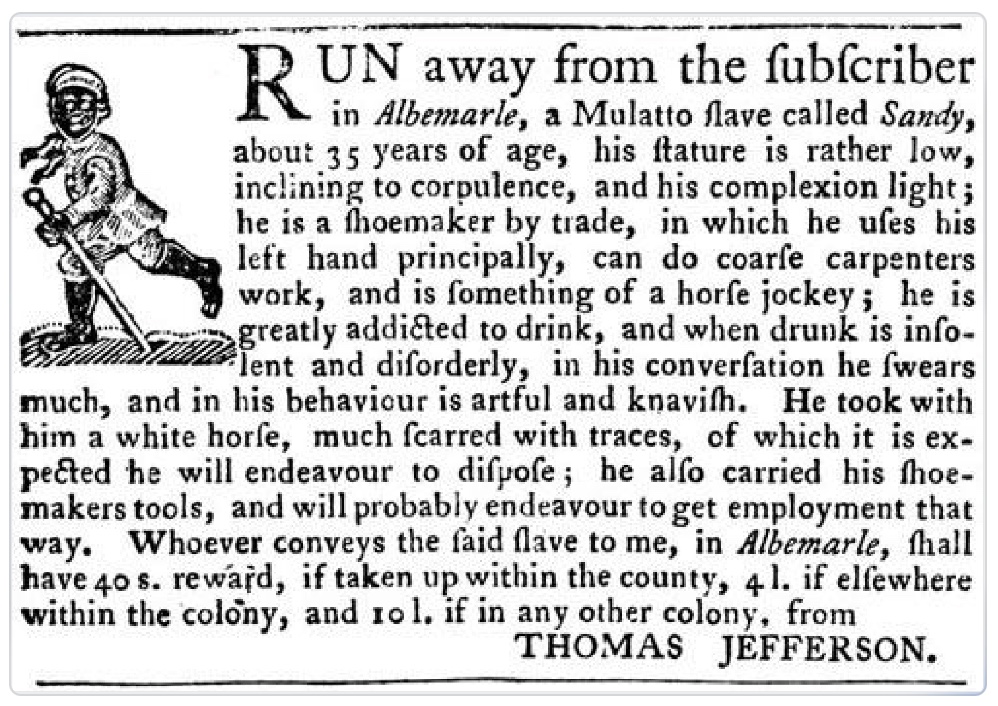
This PowerPoint displays a series of advertisements for runaway slaves. Students are encouraged to read through each to deduce the sorts of terrible conditions that slaves had to endure
7. Life on the Slave Plantations [1] - Slave Narratives
Students are placed in role as a real-life slave and read a first-person narrative from this sourcepack. They are then interviewed by the class, who records their findings in an attempt to determine the sorts of punishments inflicted for different types of "crimes" on the slave plantations.
8. Life on the Slave Plantations [2] - Images and Explanations
Students are presented with a series of images and explanations and placed into teams for a competition over several rounds to test knowledge and understanding of life on the slave plantations. Instructions for the quiz can be found here.
9. End of Unit Test
Students are provided with a selection of possible questions in the GCSE Paper 1 format (a. Describe, b. Explain, c. Assess). They are told that one of these three-part questions will be set as the end of unit assessment - it is up to the teacher which to choose.

B.

Abolition of the Slave Trade

1.

Starter Activity: Arguments of the Anti-Abolitionists
Students read an extract from the "Gentleman's Magazine" of 1789 and underline all the arguments the writer puts forward in defence of the slave trade, the considers how these arguments could feasibly be challenged.

2. The Apprentice - A Campaign to Abolish the Slave Trade
Alan Sugartrader leads the abolitionist movement in your local town. He has invited ambitious young businesspeople to come up with a brand new national campaign designed to generate support for the anti-slavery cause. Using a range of sources and a structured framework for preparation, groups of students have to produce a viable campaign which justifies who it is aimed at, where it will be focused and how it will fund itself.
3. Starter Activity: Methods of the Abolitionists [click here for a downloadable version]
This PowerPoint provides students with an overview of the actual methods used by the real abolitionists. How do they compare with the campaigns the students came up with for Alan Sugartrader?
 
4. The Balloon Debate - Who was the most important abolitionist?
Each student is allocated a different character to research and to produce a wiki about. The class then has a balloon debate over several rounds to determine the overall winner. The debate from students at the International School of Toulouse can be seen here.
5. Conclusion: How was the Slave Trade Abolished?
Students are presented with a detailed timeline of the process of abolition, and then provided with four different tasks to choose from which will enable them to make sense of the information. Students can choose one or a combination of these tasks to complete. A great example of a web project produced by one of my students during these lessons can be found here.

History weblinks for The Triangular Slave Trade

1. What's in a surname? - National Geographic Magazine   
2. Melrose Interactive Slavery Environment   
3. Children and Youth in History | Children in the Slave Trade   
4. Trans-Atlantic Slave Trade Database   
5. Civil Rights: Pivotal Events Photo Gallery (via activehistory.co.uk / classtools.net)   
6. Virtual Field Trips relating to the Slave Trade   
7. House Divided Exhibit Gallery: Henry "Box" Brown   
8. Dailymotion - Leadbelly News Report - a Music video   
9. PBS: Africans in America   
10. Campaign for Abolition   
11. Small Island Read 2007: Abolition   
12. Slavery Image Search   
13. Slave Trade Alphabet   
14. The National Archives | Exhibitions & Learning online | Black presence   
15. Timelines - Who was the greatest musical talent of the 19th century? Perhaps a blind, autistic slave   
16. Defence Dynamics - Lesson Plans - Abolition of slavery (1)  Role of the Royal Navy in the Abolition of Slavery
17. What does this map tell you about Western attitudes to Africa in 1849?! #historyteacher (via activehistory.co.uk / classtools.net)   
18. Virtual Field Trips: Henry "Box" Brown   
19. Discovery Channe: Understanding Slavery   
20. History News Network  Slavery Debate
21. The struggle to end slavery. A timeline. Durham University Library   
22. Freedom - A KS3 History resource about Britain and the Transatlantic Slave Trade   
23. nfpSynergy - Press Coverage  Granville Sharp, with his meticulous legal zeal and interest in wider political freedoms; Thomas Clarkson, with his skill in writing and systematic research; and William Wilberforce, with his parliamentary skills and political connections.
24. equimap2.jpg (JPEG Image, 1200x840 pixels)   
25. AfricaMap.swf (application/x-shockwave-flash Object)   
26. Understanding Slavery   
27. Triangular trade - A Teaching Resource for KS3   


Latest Additions [more]
Facebook Fans [join!]

Recommended sites for KS3 History, GCSE History and A-Level History:
SchoolHistory | Spartacus | JohnDClare | SchoolsHistory | BBC History |
Channel 4 History
| History Channel UK


© 1998-2012 Russel Tarr, ActiveHistory.co.uk Limited (Reg. 6111680)
Mertag, Marchamley, Shrewsbury, England, SY4 5LE; Tel / Fax 01630 684059

All rights reserved