World History teaching resources for the high school classroom: lesson plans, worksheets, quizzes and simulation games for KS3, IGCSE, IB and A-Level teachers.
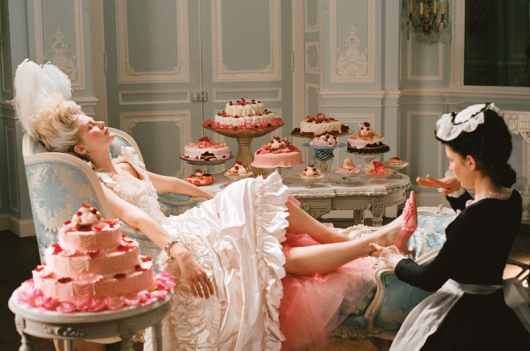
Marie-Antoinette as played by Kirsten Dunst
The full study unit covering the causes and the events of the French Revolution takes up to 15 hours. However, in this condensed study unit, designed to last about 7 hours, students will learn about the main causes of the French Revolution. The Three Estates System, the mistakes of King Louis XVI and Marie-Antoinette, the role of Enlightenment Philosophers and the American Revolution are all covered.
The main outcomes are:
-
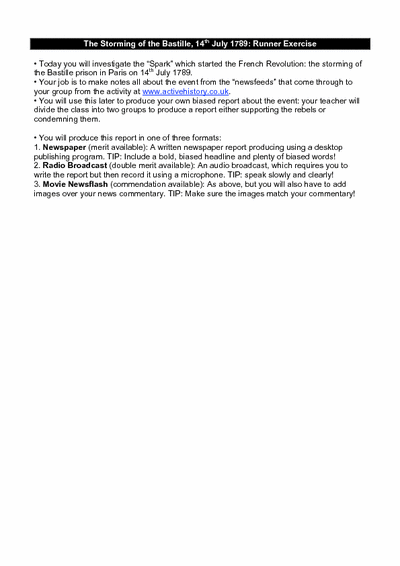
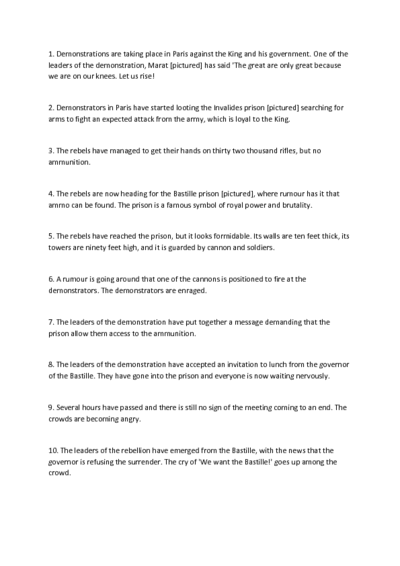
A news report, radio broadcast or video newsflash reporting (in a biased manner) about the Fall of the Bastille.
-
A flowchart designed to link the various causes together meaningfully; this can also be developed into an essay.
-
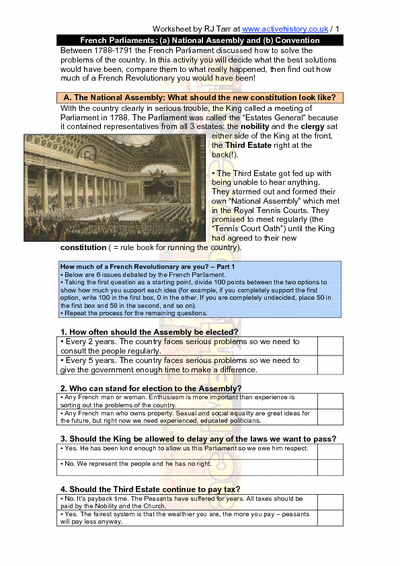
A decision-making exercise in which students are in role as members of the National Assembly and the Convention debating how to solve the problems of the country.
-
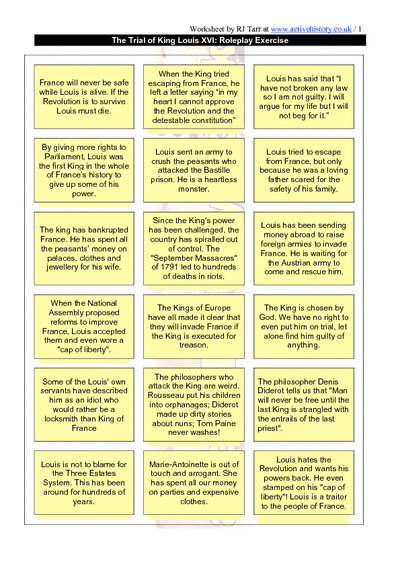
A full-scale roleplay activity ("Louis XVI on Trial") in which the class will be divided into prosecution / defence teams, with three judges, a courtroom scribe and King Louis XVI (played by the teacher). Through thisthis courtroom trial, students will select appropriate evidence and defend its reliability, whilst their opponents will try to discredit it. In this way the students build up some excellent sourcework analysis skills.
-
An independent research project on another revolution in History to facilitate comparison and contrasts of different revolutions.
At the end of the unit (or later in the school year, as a revision exercise) students should play the Interactive Simulation and complete the worksheet that accompanies it:
| Decision-Making Game: The
Causes of the French Revolution: Part 1 [interactive] Can you help Louis XVI avoid Civil War? A decision-making adventure, complete with sound effects and worksheet tasks. Students have the ability to proceed straight onto Part 2 of the game when they finish it; I personally prefer not to play the game at this stage, but instead play Part 1 and Part 2 in one go at the end of the study unit as a revision exercise. However, if time is limited (e.g. 30 minute lesson), breaking it into two smaller simulations would be a good idea! |
 |
End of Unit Interactive Quizzes |
Student Resources (The French Revolution: Condensed study unit)
| > Introduction |  | PDF File | 0.67MB | Preview Page 1 |
| > Bastille runner | | PDF File | 0.05MB | Preview Page 1 |
| > Bastille runner | | PDF File | 0.03MB | Preview Page 1 |
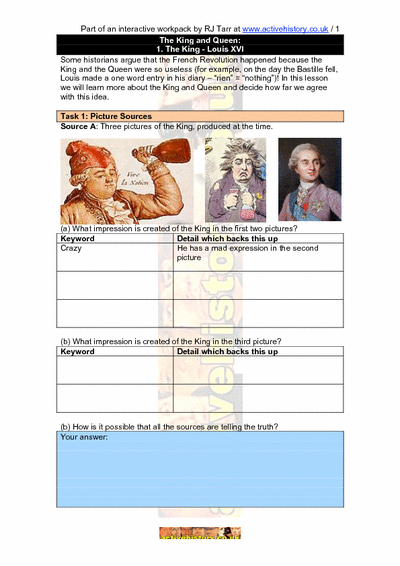
| > The King | | PDF File | 1.25MB | Preview Page 1 |
| > The Queen | | PDF File | 1.01MB | Preview Page 1 |
| > Marie-Antoinette Stills |  | PowerPoint | 6.4MB | |
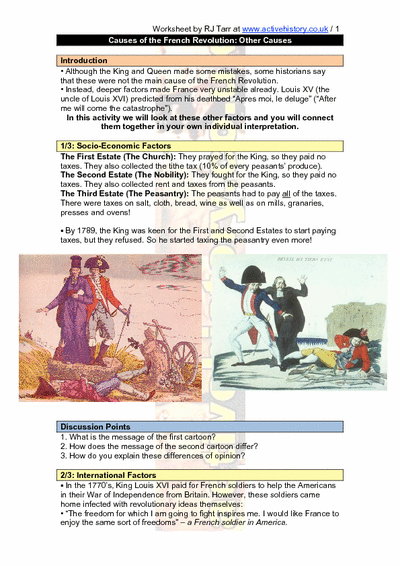
| > Other Factors | | PDF File | 10.99MB | Preview Page 1 |
| > Parliaments | | PDF File | 1.09MB | Preview Page 1 |
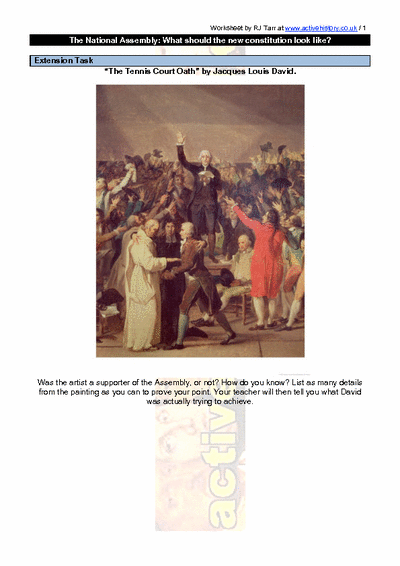
| > Extension | | PDF File | 0.47MB | Preview Page 1 |
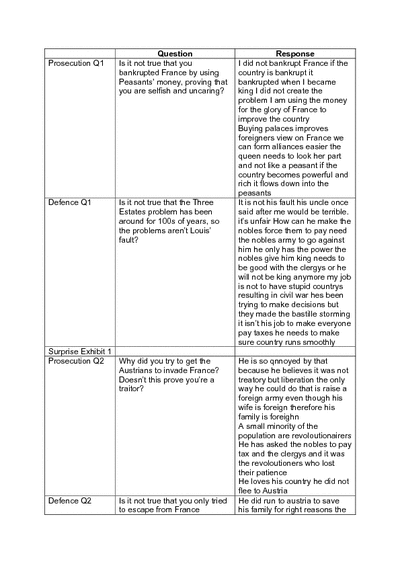
| > Trial Louis | | PDF File | 5MB | Preview Page 1 |
| > Game | | PDF File | 0.02MB | Preview Page 1 |
| > Revolutions Project | | PDF File | 0.06MB | Preview Page 1 |
Teacher Resources (The French Revolution: Condensed study unit)
| > Starter Presentation | | PowerPoint | 2.82MB | |
| > Starter MA |  | Image File | 0.05MB | |
| > Starter ma2 | | Image File | 0.1MB | |
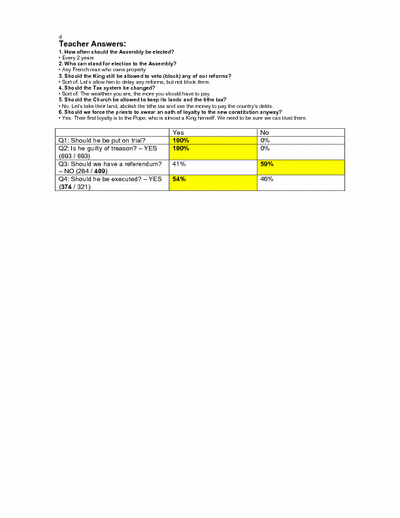
| > Parliaments | | PDF File | 0.06MB | Preview Page 1 |
| > Trial Louis | | PDF File | 0.05MB | Preview Page 1 |
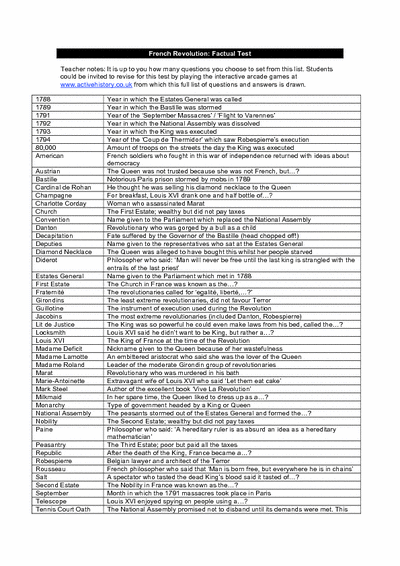
| > FACTUAL TEST | | PDF File | 0.06MB | Preview Page 1 |

© 1998-2024 Russel Tarr, ActiveHistory.co.uk Limited (Reg. 6111680)
1 Torrin Drive, Shrewsbury, Shropshire, SY3 6AW, England
All rights reserved | Privacy Policy | Contact